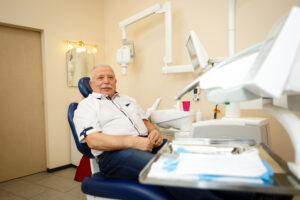

A dental crown is usually needed when a tooth has a crack, significant decay, a large or failing filling, or has just had a root canal and needs extra protection. The longer these issues go untreated, the more likely the tooth is to break further or need extraction instead of a simpler repair. At Remmers Dental, most crowns can be completed in a single visit with CEREC same-day technology.
A crown, sometimes called a “cap,” completely covers a damaged tooth to rebuild its strength and shape. The tricky part for most patients is knowing when a tooth has crossed the line from “needs a filling” to “needs a crown.” Here are the signs worth paying attention to.
1. A Cracked or Chipped Tooth
A visible crack or chip isn’t just cosmetic — it’s a structural weak point. Left untreated, a crack can spread deeper into the tooth with normal biting and chewing, sometimes to the point where the tooth can no longer be saved with a crown at all and needs extraction instead.
2. A Large or Failing Filling
Fillings aren’t built to support unlimited tooth structure. When decay is extensive, or an old filling is large enough that it’s compromising what’s left of your natural tooth, a crown provides the reinforcement a filling alone can’t.
3. Recent Root Canal Treatment
A tooth that’s had a root canal is more brittle than a healthy tooth, since it no longer has the internal blood supply that once nourished it. A crown protects that tooth from fracturing under normal chewing pressure — for many root canal-treated teeth, a crown isn’t optional, it’s part of finishing the treatment properly.
4. Persistent Sensitivity or Pain When Chewing
Sharp pain when you bite down, especially on release, can be a sign of a crack that isn’t visible yet. This is one of the more urgent signs on this list, since an undiagnosed crack can worsen quickly.
5. A Worn-Down or Misshapen Tooth
Years of grinding, an old worn-down filling, or a tooth that’s simply oddly shaped can all be addressed with a crown — restoring both function and a more natural appearance in the process.
What Happens If You Wait
Dental problems that call for a crown don’t resolve on their own, and delaying treatment typically means the damage gets worse, not better. A crack can deepen, decay can spread toward the nerve (turning a crown into a root canal-plus-crown situation), and a tooth that could have been saved today may eventually require extraction. Catching these signs early is almost always the more conservative, less expensive path.
Getting a Crown Doesn’t Have to Mean Multiple Visits
Traditional crowns often require a temporary crown while your permanent one is fabricated off-site — sometimes over a two-week wait. At Remmers Dental, our CEREC same-day crowns use 3D digital imaging and in-office milling to design, create, and place a custom ceramic crown in about one hour, in a single visit.
Crown or Veneer?
If your concern is more cosmetic than structural — like a discolored or slightly misshapen tooth without underlying damage — a veneer might be a more conservative option. We break down that decision in our Crown vs. Veneer comparison.
Frequently Asked Questions
How do I know if I need a crown or just a filling? Generally, if the damage or decay is too extensive for a filling to adequately support the tooth, a crown is recommended. Your dentist can tell you for certain after an exam and X-rays.
Does getting a crown hurt? The procedure is done under local anesthesia. Most patients report only mild sensitivity for a day or two afterward.
How long does a same-day crown take? With CEREC technology, most same-day crowns are designed, milled, and placed in about one hour — no temporary crown or second visit required.
Are same-day crowns as durable as traditional lab-made crowns? Yes. CEREC crowns are made from the same high-quality ceramic materials used in traditional crowns, just fabricated on-site rather than sent to an outside lab.
Is a same-day crown affordable? We offer flexible payment plans to help make crown treatment accessible — ask our team about your options at your visit.
Notice One of These Signs?
Don’t wait for a small problem to become a bigger one. Contact us to schedule an exam at our Louisville, KY office, and ask about same-day crown options if you’re short on time.