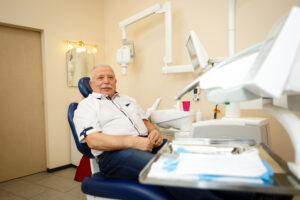

Bad breath can be embarrassing and socially challenging, leading many patients to wonder what causes bad breath and how to treat it effectively. At Remmers Dental in Louisville, KY, our team understands that addressing halitosis isn’t just about freshening breath—it’s about improving overall oral health and boosting confidence. Let’s delve into the causes of bad breath and explore effective treatment options available to you.
Understanding Bad Breath
Bad breath, medically known as halitosis, can arise from various sources. Simple factors like poor oral hygiene, food choices, and certain habits can lead to an unpleasant breath. Ensuring a comprehensive oral care routine is the first step toward addressing this common issue.
The Importance of Oral Hygiene
Brushing twice a day and flossing can significantly reduce the bacterial load in your mouth, one of the main culprits of bad breath. Additionally, cleaning your tongue is critical, as bacteria often accumulate on its surface.
Common Causes of Bad Breath
Understanding what causes bad breath and how to treat it requires knowledge of its common origins. These include dietary influences, oral health conditions, and other systemic health issues.
Dietary Influences
Certain foods and beverages can contribute to temporary bad breath. Garlic and onions contain sulfur compounds that linger in your mouth for hours or are absorbed into your bloodstream, affecting your breath upon exhalation.
Oral Health Conditions
Beyond diet, oral health conditions like gum disease, cavities, dry mouth, and poor dental appliances can exacerbate halitosis. This is why regular dental visits are vital for maintaining oral health. Learn more about the benefits of regular dental visits.
Systemic Health Issues
Sometimes, bad breath is linked to broader health issues such as gastrointestinal disorders, sinus infections, diabetes, or liver problems. In such cases, consulting with a healthcare professional for a full evaluation is important.
Diet and Bad Breath: What You Eat Matters
Your diet plays a significant role in your oral health. Here at Remmers Dental in Louisville, KY, we educate patients on foods and beverages that can contribute to bad breath and encourage healthy changes.
Foods to Watch Out For
While garlic and onions are notorious for causing bad breath, sugary foods, coffee, and alcohol can also contribute. These foods can create an ideal environment for bacteria to thrive.
The Role of Hydration
Staying hydrated is an often-overlooked factor in combating bad breath. Drinking water aids in the production of saliva, which naturally cleanses your mouth by washing away food particles and bacteria.
Oral Health Conditions Linked to Bad Breath
Poor dental hygiene plays a significant role in many cases of bad breath. By addressing underlying conditions, patients can achieve fresher breath and healthier smiles.
Gum Disease and Decay
Chronic bad breath may indicate gum disease. Professional dental treatments can effectively manage gum disease, reducing its impact on your breath.
The Impact of Dry Mouth
Dry mouth, or xerostomia, reduces saliva production. Without saliva, your mouth becomes an ideal environment for bacteria, which leads to bad breath. Using mouth rinses, chewing sugarless gum, or drinking plenty of water can help mitigate dry mouth symptoms.
Systemic Causes: When It’s Not Just Your Mouth
Not all causes of bad breath stem from poor oral hygiene. Conditions like gastric reflux or sinus infections may require the coordination of dental and medical care.
Conditions Affecting the Breath
Systemic diseases can manifest through persistent bad breath. Accurate diagnosis is crucial for treating such health issues effectively. Working with your healthcare provider alongside your dentist ensures comprehensive care.
Importance of Medical Evaluation
If bad breath persists despite good oral hygiene practices, consider seeking further evaluation from healthcare professionals to rule out systemic causes.
Practical Bad Breath Remedies
There are effective ways to tackle bad breath, from home-based methods to professional dental treatments available at Remmers Dental.
Home Care Solutions
Using an antimicrobial mouthwash, increasing water intake, and consuming herbs like parsley or chewing sugar-free gum can refresh your breath. Also, keeping your oral appliance clean, if you have one, is essential.
Professional Treatments
In cases where home care solutions are insufficient, consult with professionals for targeted treatments. At our practice, we offer comprehensive cleanings and assessments in general dentistry to address any contributing factors to bad breath.
The Role of Implants in Addressing Bad Breath
Implants can play a vital role in oral health maintenance, potentially reducing bad breath caused by decaying teeth or poorly fitting dentures.
How Implants Can Help
Replacing missing or damaged teeth with implants restores not only your smile but also helps in maintaining oral hygiene effectively, thus reducing the causes of bad breath. Consider the benefits of full mouth dental implants.
Understanding the Benefits
Beyond aesthetics, dental implants offer durability, functionality, and can help streamline oral care, reducing the risk of bacterial build-up.
What to Expect at Remmers Dental in Louisville, KY
We pride ourselves on delivering patient-centered care, whether you’re seeking solutions for bad breath or considering dental implants.
Patient-centered Care
Our practice focuses on individualized treatment plans, ensuring comfort and optimal oral health outcomes for each patient.
Advanced Technology and Comfort
Utilizing state-of-the-art technology, we strive to provide accurate diagnostics and gentle treatment options for all your dental needs.
FAQs
How is bad breath diagnosed?
Diagnosis typically involves a thorough oral examination, reviewing medical history, and potentially additional tests to identify causes and plan treatments.
Can dental implants prevent bad breath?
Yes, by replacing problematic teeth and enhancing oral hygiene, implants can help prevent bad breath.
How often should I see a dentist if I have bad breath?
Regular visits, about twice a year, are recommended. However, frequency may increase if underlying issues are identified.
What if my bad breath doesn’t improve?
If persistency occurs despite good practices, seek further evaluation to identify underlying conditions or visit dental professionals for a comprehensive assessment.
Are bad breath treatments covered by insurance?
Coverage varies by policy and provider. It’s essential to check with your insurer since medically necessary procedures often have coverage.
Conclusion and CTA
If you’ve been struggling with bad breath and want relief, consider reaching out to us at Remmers Dental. Schedule a consultation today and let us help you regain fresh breath and confidence. We’re conveniently located in Louisville, KY and ready to provide you with the professional, compassionate dental care you deserve.